
Premium Content

Can Poland dismantle the EU Green Deal with legal challenges?
Warsaw has challenged key pillars of President von der Leyen’s climate policy with the EU’s high court, and looks set to challenge more. If successful, it could upend EU energy policy.
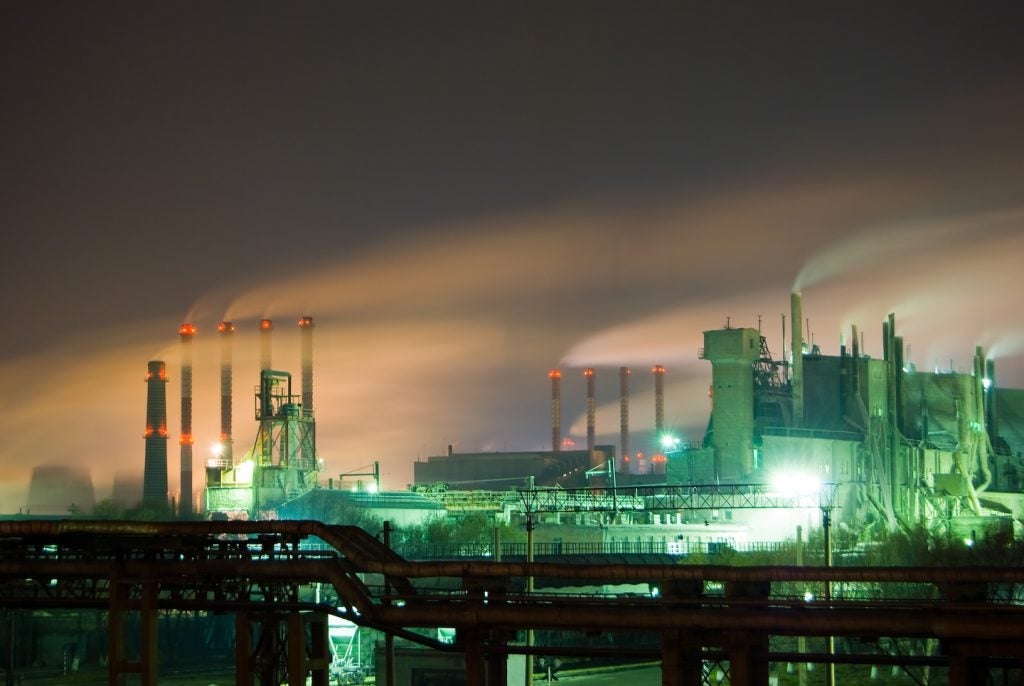
Japan’s nuclear restarts hit waste management and licensing hurdles, says GlobalData
Nuclear generation recovered sharply to 101.0TWh in 2025 and is projected to rise to 123.3TWh by 2035.
Europe’s renewables expansion is shifting value towards flexibility
Europe is set for another decade of fast renewable growth, but new analysis suggests that generation capacity is no longer the best way to spot commercial opportunities.
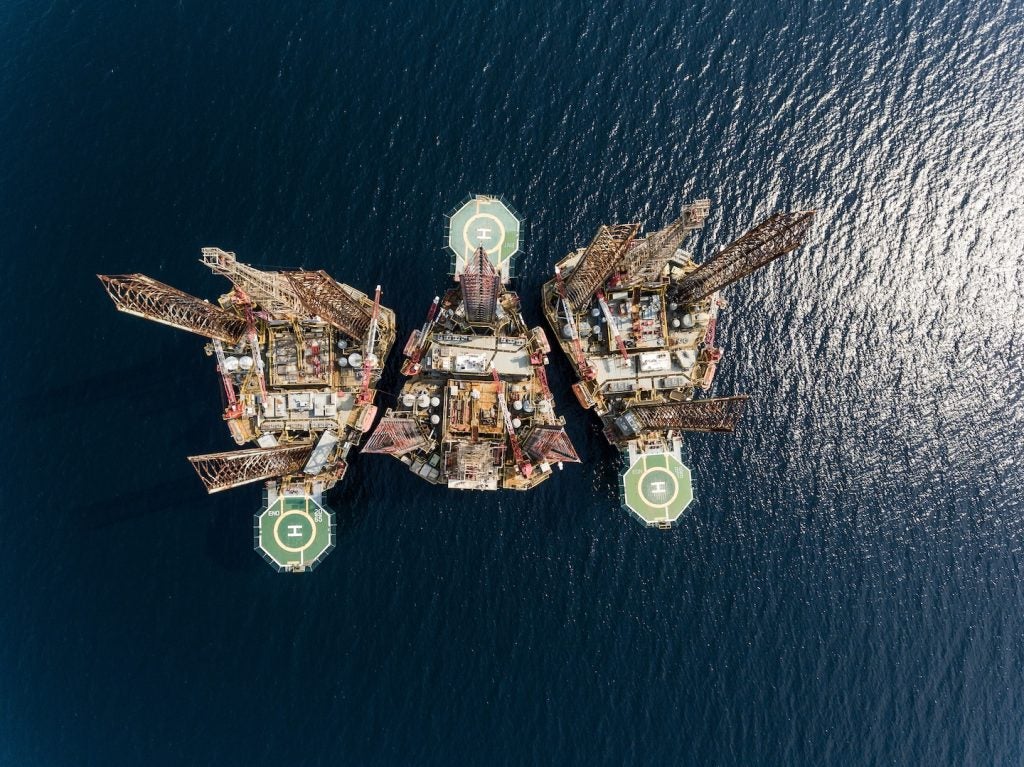
Africa to drive global upcoming conventional refineries capacity additions by 2030
Growing domestic fuel demand drive conventional refinery capacity additions in the region.

Industry-wide CCUS growth hinges on policy support and awareness
Despite the strong project pipeline for CCUS, the decade is likely to be defined by selective delivery rather than uniform expansion.
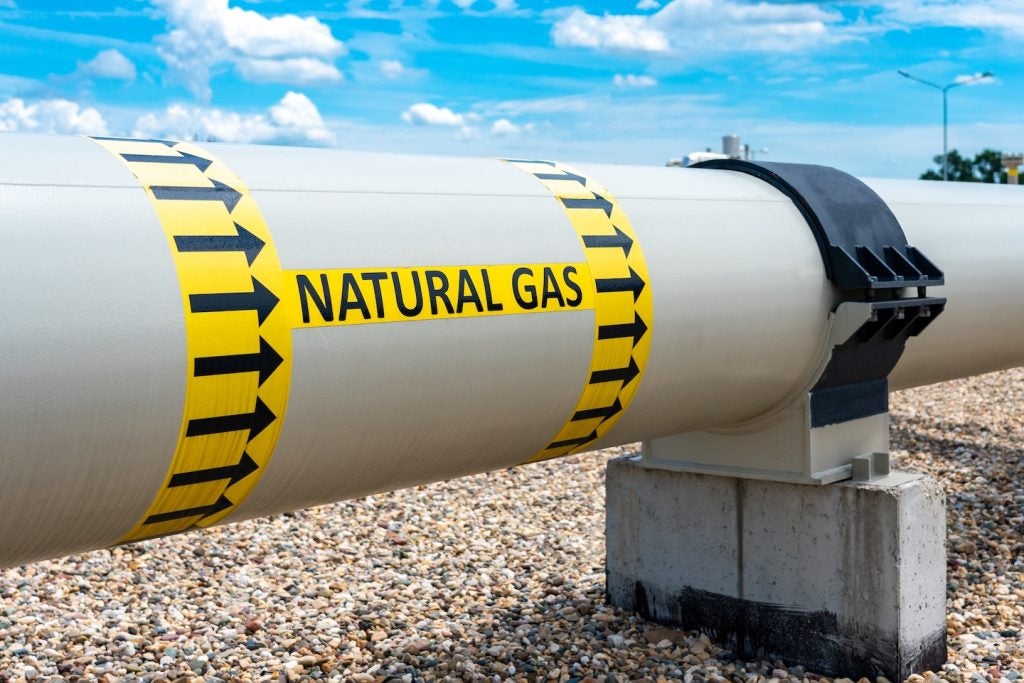
Middle East to dominate global gas processing capacity additions by 2030
Abundant gas resources to drive gas processing capacity additions in the region.
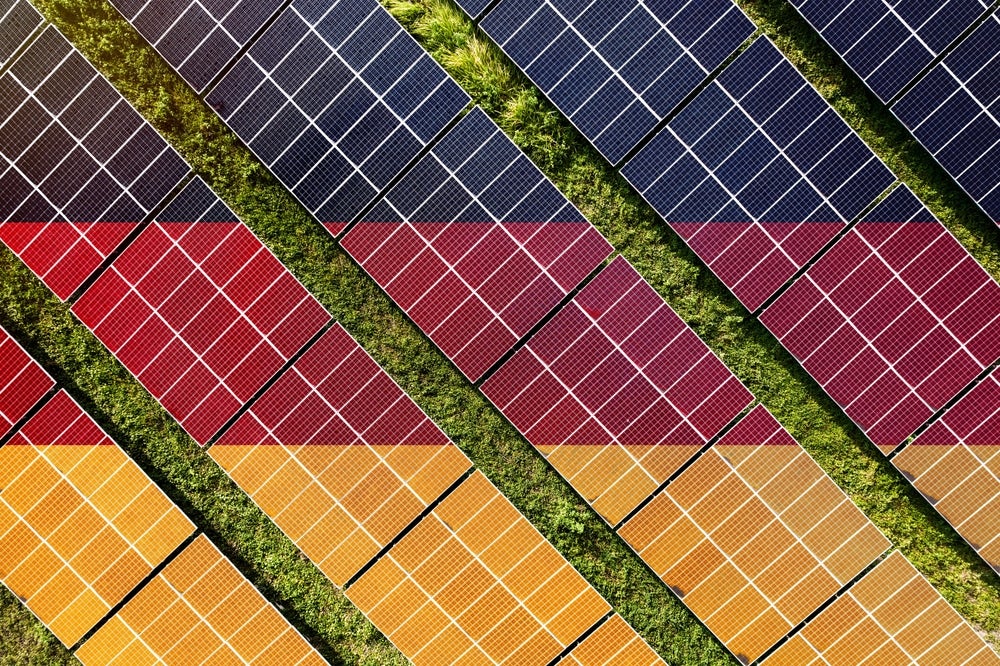
Germany’s renewables boom is making grid access the scarce asset
By 2035, Germany plans to increase its power capacity by 248.3GW. However, the investment case is now increasingly concerned not with the amount of power generated but with whether that power can get to the market at useful times.
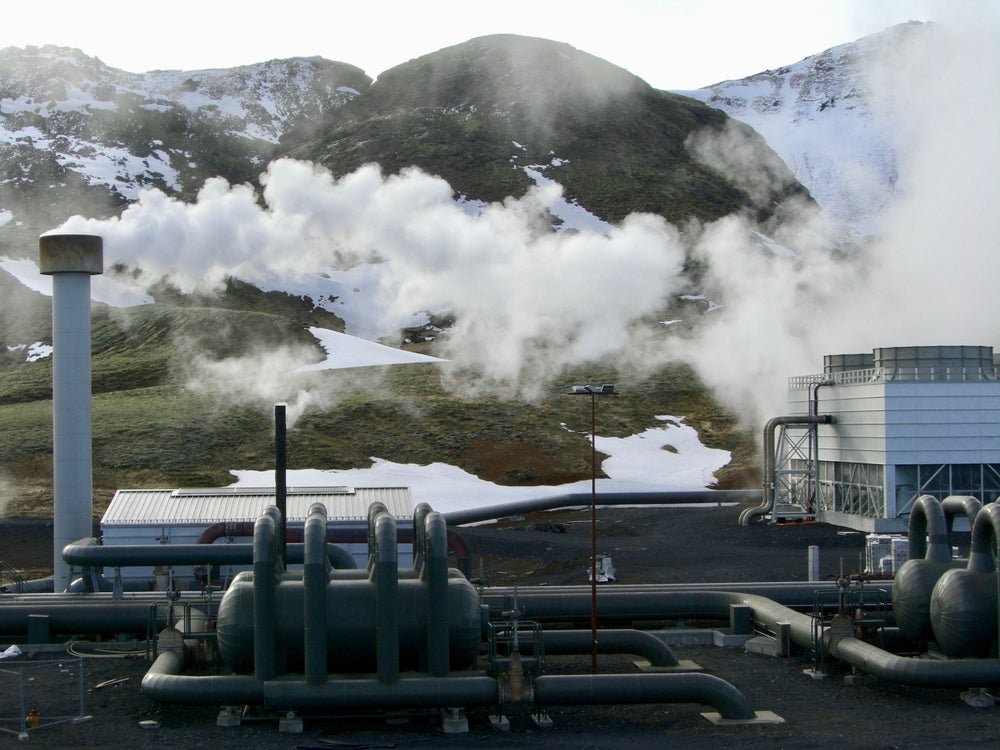
The hydrogen market is still waiting for buyers
GlobalData’s latest hydrogen tracking shows a market still rich in projects but short of financeable demand.
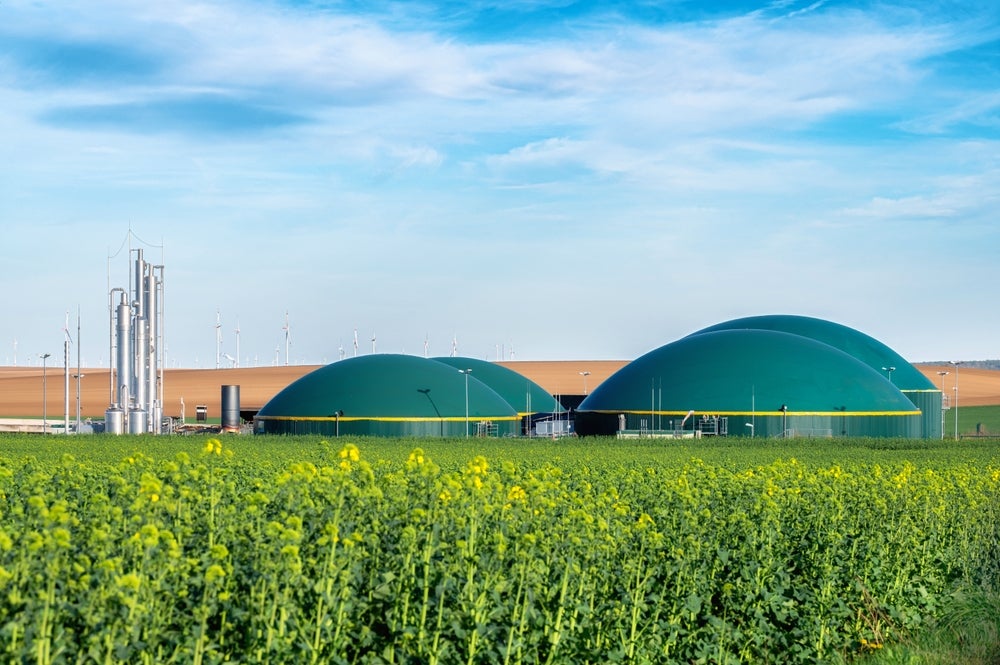
Biopower’s next decade hinges on what it displaces, not what it builds
Global biopower capacity is still rising, but new construction is slowing and capital is becoming more selective. The strongest projects will be those that replace fossil gas, waste disposal, system-balancing capacity or carbon emissions.
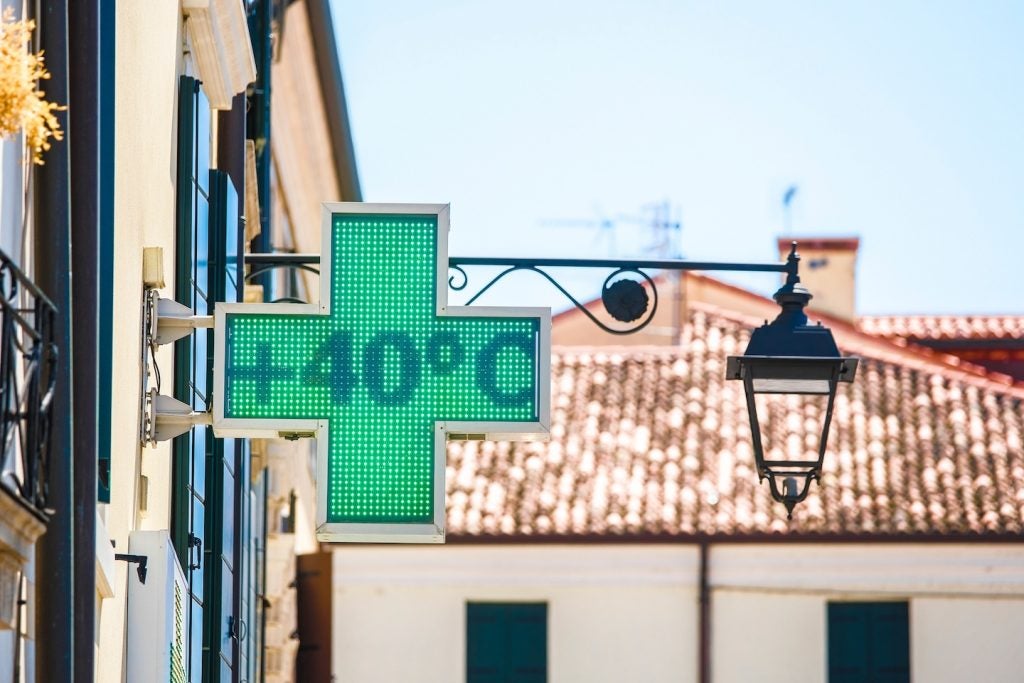
Adapting European energy grids for air conditioning expansion
The additional pressure of AC units on European electricity grids represents one of many demand drivers.
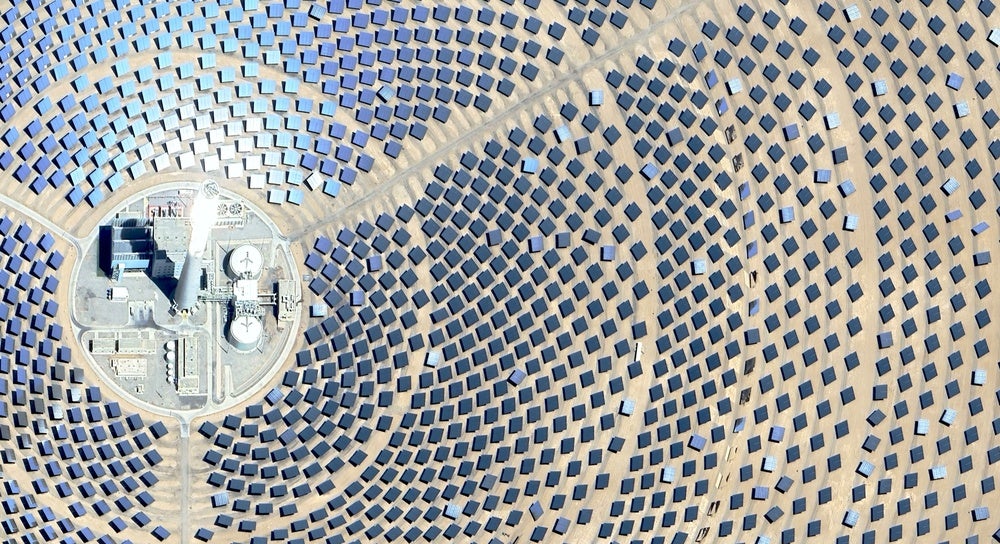
Energy security is reshaping Asia’s investment priorities
The latest tensions around the Strait of Hormuz have reinforced a move already under way across Asia. Energy projects are increasingly competing on their ability to reduce strategic vulnerability as much as their carbon credentials, with some markets arriving at very different answers.