The mining tradeoff: Safety or productivity
Traditional Wi-Fi wasn’t designed for the scale and complexity of today’s mining operations. While Wi-Fi is successfully in use in many mines for autonomous haulage, the combination of vast distances and numerous critical systems requires seamless connectivity; thus, a single, reliable network is essential. In high-risk areas—such as tailings dam construction, remediation, or expansion—unstable terrain and safety hazards make deploying and maintaining consistent coverage extremely difficult. As a result, mining operators are often forced into difficult tradeoffs, compromising either operational efficiency or worker safety.
Since 2019, Ericsson has partnered with Newmont —the world’s leading gold company—to address the connectivity requirements at their Tier One mines around the globe. These high-value operations each produce over 500,000 gold-equivalent ounces annually, boast low operating costs, feature mine lives exceeding 10 years, and are located in politically and economically stable regions. With only 5–10% of global mines reaching Tier One status, these sites are multi-billion-dollar assets where connectivity failure is simply not an option.
Early implementations at Lihir Island in Papua New Guinea and Peñasquito in Mexico offered critical insights into the performance benefits and deployment practices of private cellular networks, laying a foundation of operational experience for more advanced automation and remote-control applications.
Additionally, at Newmont’s Cadia Valley site in Australia, Wi-Fi limitations quickly surfaced during remote dozing operations. Dead zones and disrupted video feeds triggered safety shutdowns, while network trailers required constant repositioning—consuming half a shift just to reestablish connectivity and leaving valuable equipment idle. It was a clear wake-up call: mining operations needed a more reliable, scalable solution.
Enter private 5G: Purpose-built for remote mining
Private 5G delivers what remote mining demands: wide-area coverage, ultra-low latency, and the high throughput needed for real-time equipment control in rugged, high-risk environments. It enables safe, efficient operations today—and paves the way for the expanding use of autonomous technologies in the smart mines of tomorrow.
Learning from global deployments: The path to advanced remote operations
Newmont’s confidence in deploying Private 5G for the demanding Cadia remote dozing application stems from a carefully built foundation of cellular networking experience across their global mining portfolio. Two key implementations provided crucial insights that shaped their approach to remote control applications.
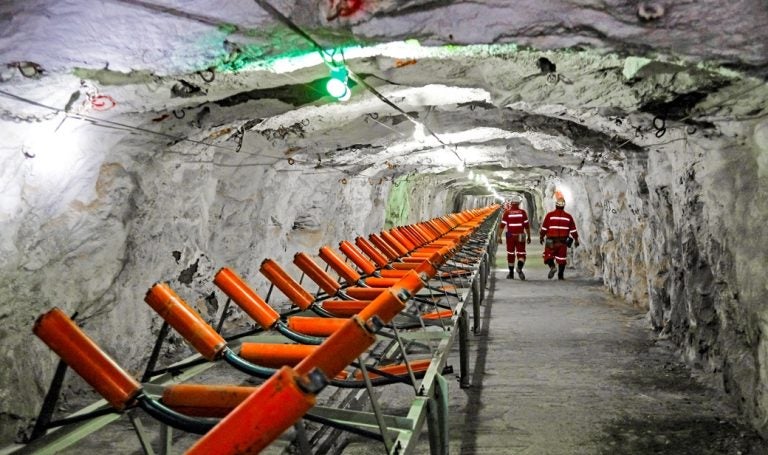
At Lihir Island, Papua New Guinea, Newmont faced the challenge of maintaining connectivity in a geothermally active and remote location with significant safety hazards. The successful deployment of cellular networking enabled them to relocate critical networking equipment and technicians away from the hazards of mine pit areas, dramatically reducing worker exposure to extreme temperatures while maintaining reliable operational connectivity. This experience demonstrated how cellular technology could solve both safety and operational challenges simultaneously.
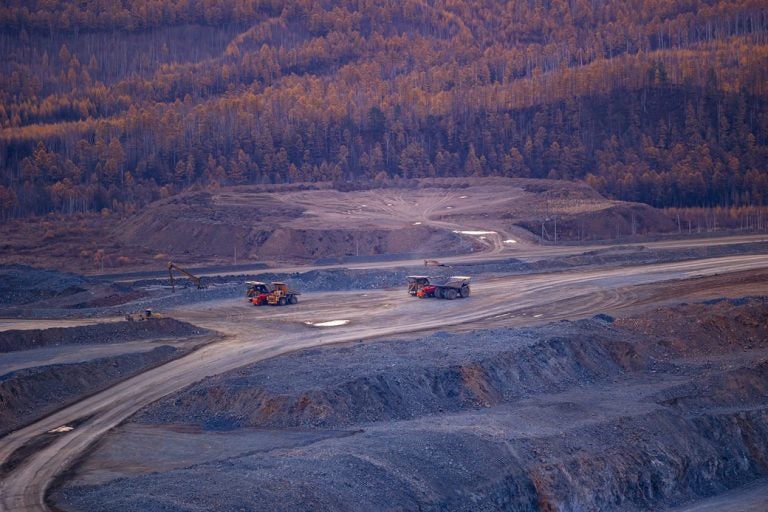
At Peñasquito, Mexico, which is also one of the world’s largest open-pit silver mines, Newmont tackled infrastructure complexity and operational efficiency. The transformation was dramatic: replacing dozens of relocatable Wi-Fi trailers with just six strategically positioned cellular radio towers. This streamlined approach not only ensured reliable, highly available connectivity across the expansive mine site but also eliminated the operational burden and costs associated with constantly repositioning mobile infrastructure.
These foundational deployments validated several critical capabilities that would prove essential for Cadia’s remote dozing application: cellular networks could deliver consistent performance in harsh mining environments, provide superior coverage with fewer infrastructure points, and enhance both safety and operational efficiency. Armed with these proven insights, Newmont approached the Cadia remote dozing challenge with confidence in their cellular networking strategy.
Real-world remote mining applications
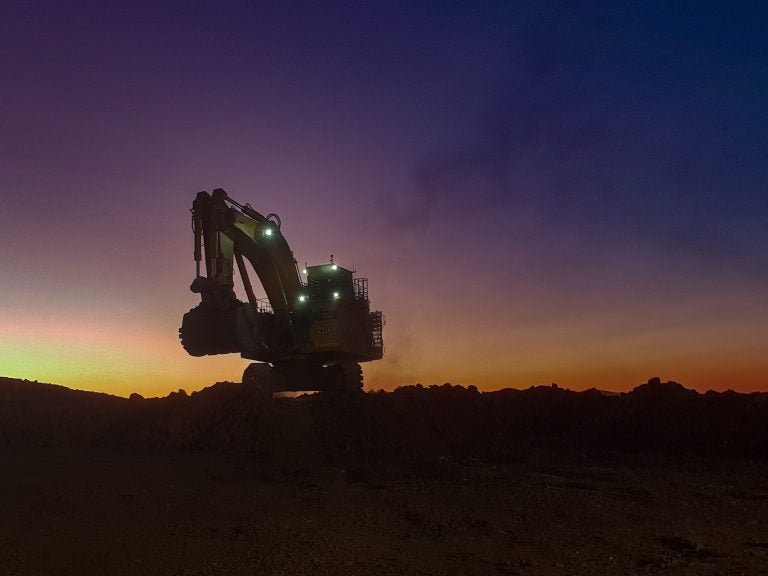
Private 5G enables operators to control heavy equipment from safe, remote locations without sacrificing performance. At Cadia, this capability allowed Newmont to reinforce a 4km tailings dam embankment while maintaining strict safety compliance that prevented operators sitting in the cabs of their machines.
By eliminating connectivity-related downtime, Newmont immediately increased dozing capacity by 50% and exceeded daily material movement targets. The network’s massive capacity supports expanding equipment fleets—while Wi-Fi struggled with two remote dozers, Private 5G supports Newmont’s planned expansion to seven dozers plus diverse equipment types including drills, haulers, and excavators.
Strategic implementation
“We’re a mining company, not a network operator, so we need to keep things as simple as possible,” says Chris Twaddle, Newmont’s Director of Process Control, Networks and Operational Cellular. “A single installer was able to install and configure the Ericsson system and have 5G-connected equipment operational in a couple of hours.”
Private 5G represents a fundamental shift from viewing wireless networks as reactive expenses to recognizing them as strategic platforms for digital transformation. The technology creates a foundation for autonomous and remote-control operations with high throughput and low latency performance that can also support computer vision and real-time control. As mining operations evolve toward more extensive use of automation, reliable connectivity becomes the essential foundation for innovation. Newmont’s success across diverse global operations demonstrates the strategic value of private cellular as a platform for comprehensive mining transformation.