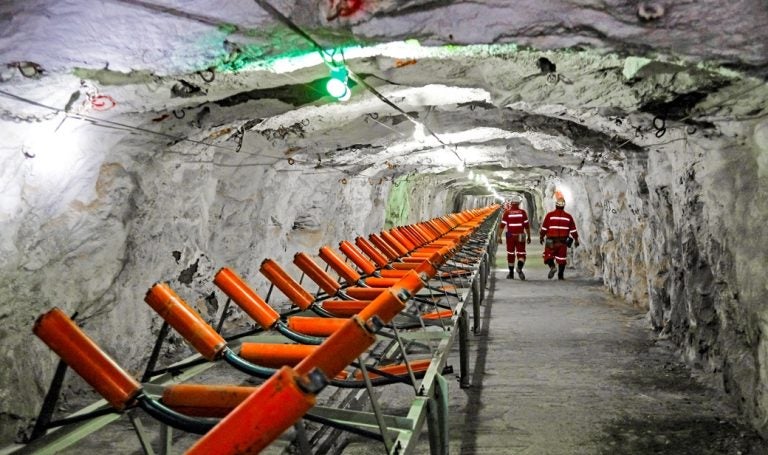
The energy and natural resources sectors are at a pivotal moment. As industries that rely heavily on skilled workers and complex infrastructure, they face unique challenges in adapting to increasingly harsh environments and an aging workforce. Addressing these issues is critical to maintaining safe and efficient operations.
Connected digital solutions—enabled by 5G technology—are essential for meeting the demands of high-risk environments, supporting workforce transitions, and driving productivity and adaptability. By embracing these innovations, companies can overcome immediate challenges while building a sustainable and future-ready workforce.
Why digital transformation matters in the energy sector
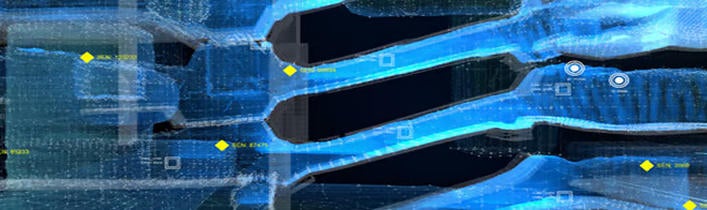
In today’s rapidly evolving digital landscape, new innovations are reshaping the energy sector. Emerging technologies, such as digital twins, robotics and drones, allow for unprecedented levels of monitoring, dynamic control and automation. The energy and natural resources industry—including mining, oil and gas and renewable energy—stands at the forefront of this transformation by adopting industrial digitalization innovations.
Technologies like the Internet of Things (IoT), big data analytics, Virtual reality (VR) and digital twins are revolutionizing productivity, uptime and safety. However, these advancements require robust 5G infrastructure to reach their full potential.
Transforming the workforce: Embracing digital solutions
The workforce in the energy sector is evolving. According to Energy Digital, the average age of oil and gas workers is 56, and many skilled workers are expected to retire in the coming years. This demographic shift, combined with the demand for technical digital skills, is reshaping workforce strategies. Companies must now tackle two critical challenges: retaining valuable expertise and attracting a new generation of workers who expect modern, digital work environments and improved work-life balance.
Investing in connected solutions allows organizations to bridge knowledge gaps, enhance safety and improve operational efficiency. By creating a digitally enabled and resilient workforce, companies can attract young talent, retain experienced employees and prepare for the future.
Orchestrating data for a connected workforce
A connected workforce can operate from any location, on any device, without sacrificing productivity or safety. Moving beyond manual processes, connected workers benefit from streamlined, real-time operations. This connectivity enhances productivity and fosters quality of life by keeping workers engaged and connected, even in remote locations. With instant access to critical data and tools, connected workers are positioned to succeed in some of the world’s most demanding environments.
Real-time communication allows workers to troubleshoot in real-time with remote experts, allowing for quick decision-making and support in emergencies. Enhanced safety compliance comes from technologies like Augmented reality (AR)-enabled helmets that provide step-by-step guidance, improving safety compliance and reducing maintenance times.
Data-driven insights from geofencing and embedded sensors help prevent accidents by alerting workers as they approach hazardous areas. Connected solutions also provide flexible, digital work environments that appeal to both seasoned professionals and younger workers, helping to retain talent and bridge generational divides.
Empowering operational resilience through data-driven insights
The energy sector operates in a data-rich environment where real-time insights are crucial for responsive, resilient operations. Leveraging private cellular networks, companies can continuously monitor machinery, predict maintenance needs and respond to potential issues before they escalate. This proactive approach not only safeguards workers but also drives operational efficiencies, reducing downtime and maintenance costs.
The transformative power of seamless communication
Advanced communication tools are redefining on-site collaboration, boosting efficiency, reducing downtime and minimizing environmental impact by limiting the need for travel. Enhanced safety protocols, training innovations and the improved quality of life foster job satisfaction, providing a unique advantage in talent acquisition and retention.
Private cellular networks: A platform for innovation
Private cellular networks provide the high-bandwidth, low-latency connectivity essential for complex energy operations with robust coverage tailored to large, remote environments. These secure networks are engineered to meet the unique demands of remote and data-intensive applications; while enabling real-time monitoring and support for fully autonomous machinery.
By enabling innovative technologies like the Industrial Internet of Things (IIoT) and digital twins, Ericsson’s private cellular networks bridge the gap between human oversight and machine autonomy, driving safer, faster, and more efficient operations.
Why choose Ericsson private network solutions?
Ericsson’s private cellular networks enable the productivity, safety and agility that the energy industry needs to capitalize on Industry 4.0 innovations. With robust 5G-ready infrastructure, these networks support connected worker applications in a range of environments—on land, at sea and underground. Ericsson’s solutions seamlessly integrate with existing operations, boosting efficiency, productivity and customer value, all while ensuring secure and reliable connectivity for the future.
Driving the future of connectivity
Ericsson’s partnership with Tampnet highlights the transformative impact of private cellular networks in the energy sector. By leveraging Ericsson’s 5G technology, Tampnet has enabled offshore operators to achieve unprecedented levels of connectivity, safety and efficiency. This collaboration empowers real-time data exchange and supports predictive maintenance, enhancing operational resilience in some of the world’s most challenging environments.
Advancing safety and productivity with connectivity
Autonomous operations, remote control and monitoring, and predictive insights for safety and maintenance are transforming energy and resource industries by taking on tasks traditionally performed by workers in hazardous environments. These technologies improve safety, reduce costs and increase efficiency. Drones provide real-time infrastructure inspections, while robots monitor pipelines for leaks or perform repairs in challenging terrains, minimizing human exposure to risks.
Connected workers leverage advanced technologies like digital twins and IoT-enabled sensors to operate and monitor critical equipment remotely. Real-time data transmission via 5G networks ensures seamless control and quick responsiveness, reducing on-site requirements and enhancing operational uptime, even in the most challenging conditions.
Predictive maintenance solutions enable operators to address issues before they escalate by collecting and analyzing data from smart devices. Connected tools prioritize critical data, ensuring workers have access to real-time insights for quick and informed decision-making. This reduces downtime, protects workers and enhances overall operational resilience.
About Ericsson
Ericsson enables communications service providers and enterprises to capture the full value of connectivity. The company’s portfolio spans the following business areas: Networks, Cloud Software and Services, Enterprise Wireless Solutions, Global Communications Platform, and Technologies and New Businesses. It is designed to help our customers go digital, increase efficiency and find new revenue streams. Ericsson’s innovation investments have delivered the benefits of mobility and mobile broadband to billions of people globally. Ericsson stock is listed on Nasdaq Stockholm and on Nasdaq New York.